Adelphoi Education Therapy in Schools
- A coordinated program within the school community
- Building on an established clinical program
- Bringing student and caregiver feedback into care
- Connecting intake with timely access
- Supporting supervision and coordinated follow up
- Helping districts understand the work they fund
- Keeping the student at the center
Using Measurement-Based Care to guide student support and district reporting
Adelphoi Education’s Therapy in Schools program brings mental health care into the school day through district embedded therapists. The program combines individual care with family engagement, teacher consultation, staff training, and collaboration with school support teams. Greenspace Health helps therapists and program leaders use student and caregiver feedback to guide treatment, support supervision, and communicate progress to districts.
The work begins with access. Students can receive services based on identified need without insurance authorization, a formal diagnosis, an Individualized Education Program, or a Section 504 Plan. District agreements and grants support the program, and families are not billed for services.
A coordinated program within the school community
Therapy in Schools supports students experiencing anxiety, depression, grief, trauma, family stress, school avoidance, emotional regulation difficulties, need for protective factors, or challenges returning after a hospitalization or other disruption. Therapists also attend to students whose distress appears as withdrawal, silence, or difficulty participating in learning. A student does not have to display disruptive behavior to need care.
Services may include individual therapy, clinically appropriate small groups, caregiver engagement, classroom observations, teacher consultation, staff training, and coordinated support during transitions. Therapists work with school teams through the Student Assistance Program, Multi-Tiered System of Supports, and Positive Behavioral Interventions and Supports. Participation in IEP and Section 504 meetings, when appropriate, helps connect therapeutic goals with the student’s educational experience.
The specific services reflect student needs and the district agreement. Collaboration helps students practice coping, communication, and help seeking skills across settings while maintaining clinical boundaries and confidentiality. Non-billed summer check-ins, as available, support continuity when the school year ends.
Building on an established clinical program
As Therapy in Schools developed across partner districts, Adelphoi Education wanted a more consistent way to collect repeated measures, connect results to treatment, and review activity across locations. The aim was to make the clinical work already taking place easier to understand and use in supervision and program reporting.
Lori Harvey, Adelphoi Education’s Behavioral Health Program Director, began implementation with staff education. In one training exercise, clinicians independently interpreted the same treatment objective. Differences in their interpretations showed why shared definitions and observable goals matter. Standardized measures provided another common reference point, alongside each student’s history, circumstances, and clinical assessment.
Bringing student and caregiver feedback into care
The program uses repeated standardized measures to understand how students are doing over time. Student measures address areas such as anxiety and depression, while caregiver measures add information about the child’s functioning and the family’s experience. Clinicians consider the student’s grade, development, comprehension, and the suitability of each instrument when applying the program’s assessment protocol.
The standard schedule includes student measures approximately every two weeks for students in grade six and above, with caregiver measures approximately every four weeks. For younger students, clinicians select measures suited to the child and the clinical purpose. Clinical need and the school calendar may require adjustments.
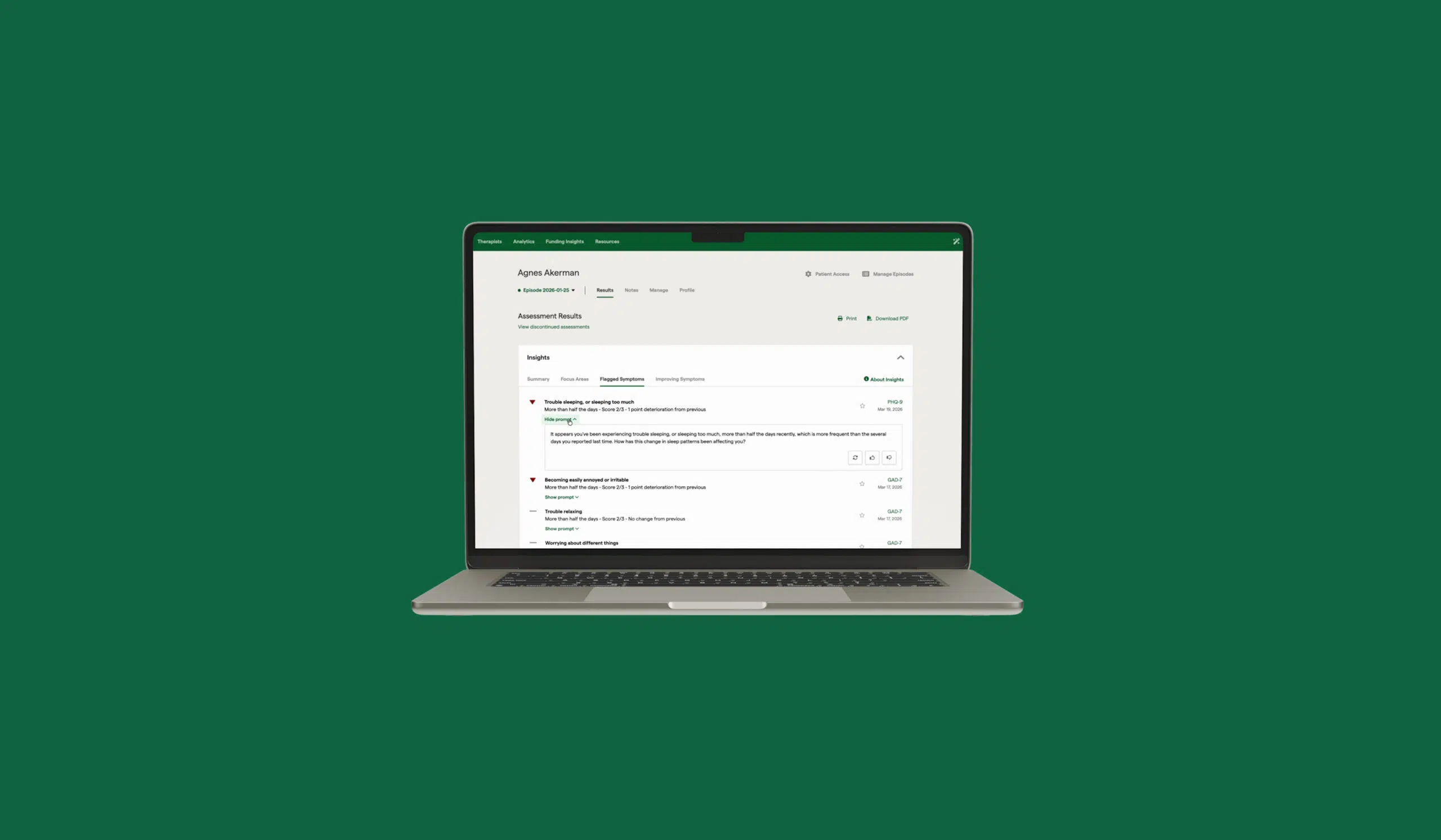
Therapists review results with students and caregivers and use the findings to inform individualized goals, interventions, and progress reviews. A change in a score may prompt a question about a recent event, a discussion about a coping skill, or a closer look at whether the treatment plan needs to change. Differences between student and caregiver responses can also open a useful conversation about experiences at home and at school.
Scores are one source of clinical information. They do not independently establish a diagnosis, determine treatment, or capture the whole experience of a student or family.
Connecting intake with timely access
Greenspace’s intake module gives parents and guardians an online route to submit information through Adelphoi Education’s website. Referrals can also begin through district and school processes. Having relevant background information available before the first session helps therapists prepare and reduces repeated information gathering.
The program aims to begin services within approximately two school days after a complete referral and required consent are received, when capacity and school schedules permit. Greenspace supports the intake process within a broader workflow that includes consent, administrative tracking, treatment plans, and required recordkeeping.
Supporting supervision and coordinated follow up
Greenspace’s dashboards help leadership review assessment activity, identify caregiver measures awaiting completion, and recognize where clinicians may need workflow support. Session and communication notes add context about direct care, family contact, and coordination with school staff. Together, these records support supervision across therapists working in different buildings.
Risk related responses require clinical review and follow up under established program and district procedures. Therapists use direct risk assessment, the Columbia Suicide Severity Rating Scale (C-SSRS) when indicated, caregiver communication, school coordination, and individualized coping and safety planning as appropriate. Automated flags support that work; they do not replace clinical assessment or provide continuous crisis monitoring.
Helping districts understand the work they fund
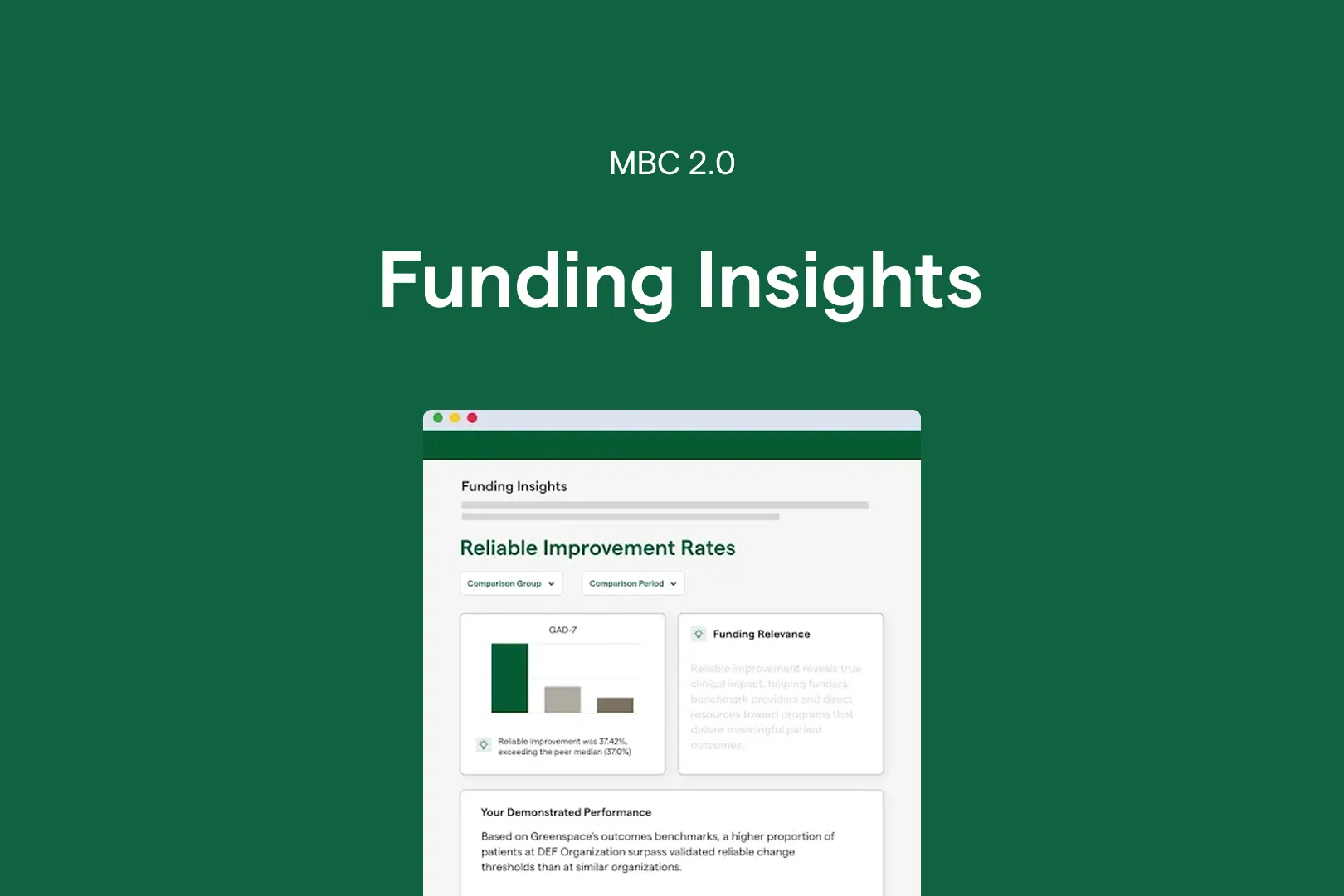
The same measurement process that informs an individual session can contribute to aggregate program reporting. Adelphoi Education uses Greenspace information in monthly reports that help district leaders understand service activity, student needs, assessment trends, and areas requiring attention. Reporting can also make family engagement, consultation, and coordination more visible alongside direct student sessions.
This information supports conversations about program priorities, resource allocation, continuity, and the documentation districts need for funding requests and grant reporting. Clinical outcomes, service counts, and student or caregiver feedback each answer different questions. Keeping those measures distinct gives districts a clearer account of what was delivered and what the available evidence shows.
District reports focus on program level patterns, with attention to student confidentiality, while individual assessment results continue to guide each student’s care.
Keeping the student at the center
For Therapy in Schools, measurement is useful when it informs the next conversation or decision. A student’s response may lead a therapist to ask a different question. A caregiver’s perspective may shape a treatment goal. A supervisor may identify a need for follow up. District leaders receive information they can use to plan student mental health services.
Greenspace helps connect those perspectives within a coordinated in-school program. The clinical team continues to interpret the information in the context of each student’s needs, strengths, relationships, and goals.
Interested in learning how to implement Measurement-Based Care at your organization? Schedule a call with an implementation specialist or reach out anytime at info@greenspacehealth.com.